
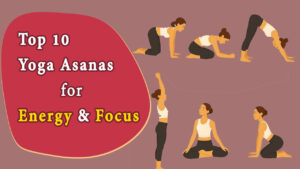
Yoga is the science of right living, and therefore should be incorporated into our daily lives as a regular routine. It affects all aspects of our personality—physical, vital, mental, emotional, psychic, and spiritual.
10 Simple Yoga Asanas for Daily Energy and Focus are following –
 1. Boat Pose (Naukasana)-
- Lie down in the starting position.
- Keep your eyes open throughout the exercise.
- Breathe in deeply. Hold your breath and stretch your legs, arms, shoulders, head, and torso.
- Raise it above the ground.
- Do not raise your shoulders and legs more than 15 centimeters above the ground.
- Balance the body on the buttocks and keep the spine straight.
- Keep your arms at the same height and in line with your toes. Keep your hands open and palms facing the ground.
- Keep your gaze towards the toes. Hold your breath while in the final position. Mentally count to 5 (or more if possible).
- Exhale and slowly return to the ground. Be careful not to hit the back of your head as you return to the ground.
Relax the entire body.
Benefits: This asana strengthens the muscular, digestive, circulatory, nervous and endocrine systems.
It activates the body, strengthens all the organs, and removes laziness and drowsiness. It is especially helpful in relieving nervous tension and providing deep relaxation. To achieve deep relaxation, it should be performed before Shavasana. If this asana is done immediately after waking up in the morning, it completely refreshes the body and mind. This asana is also beneficial for women who are preparing to conceive. It can also be practiced during the second trimester of pregnancy.
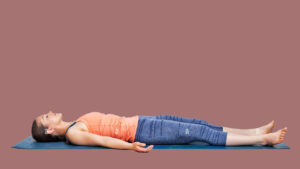 2. Shavasana – This asana is also called Mritasana
Benefits: This asana relaxes the entire psychophysical system. It should be practiced primarily before sleep, before, during, and after asana practice, especially before dynamic postures like Surya Namaskar, and when the practitioner experiences physical and mental fatigue. It increases awareness of the body. When the body is completely relaxed, the mind’s awareness increases.
Due to which the state of withdrawal occurs.
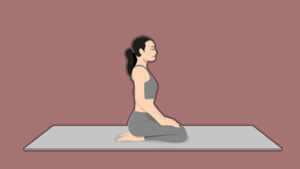 3. Vajrasana –
Benefits: Vajrasana improves the flow of blood and nerve impulses in the pelvic region.
It transforms the digestive system and strengthens the pelvic muscles. It is a preventative measure against hernias and also soothes hemorrhoids. It improves the functioning of the entire digestive system, providing relief from stomach-related ailments such as hyperacidity and peptic ulcers. It massages the nerve fibers that nourish the genitals by reducing blood flow to them.
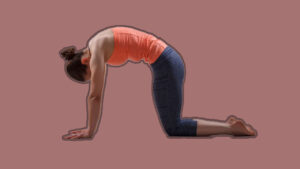 4. Marjariasana –
Benefits: This asana improves flexibility in the neck, shoulders, and spine. It strengthens the female reproductive system. It can be practiced during pregnancy, but forceful abdominal contractions should be avoided. Women suffering from menstrual irregularities and leucorrhoea will find relief from Marjari asana, and this asana will reduce menstrual cramps.
 5. Asvaschanchalasana –
Benefits: This asana massages the abdominal organs and stretches the lower back. It strengthens the hips, legs, ankles, and toes, and balances the nervous system.
 6. Kati Chakrasana-
Benefits: This asana nourishes the waist, back, and buttocks. It is useful in relieving back stiffness and posture problems. The relaxation and swaying action brings lightness to the body. It can be used at any time of the day to relieve physical and mental stress.
 7. Surya Namaskar –
Benefits – The complete practice of Surya Namaskar provides many benefits. It strengthens the back and balances the metabolism.
It stimulates and balances all bodily systems, including the reproductive, circulatory, respiratory, and digestive systems. Its effect on the endocrine glands helps balance growing children during the transition between childhood and adolescence. By aligning the breath with the physical movements of Surya Namaskar, practitioners have the opportunity to practice increasingly deep and rhythmic breathing, even for just a few minutes each day, providing the brain with fresh, oxygenated blood. This, in turn, increases mental clarity.
 8. Bhujangasana –
Benefits: This asana improves and deepens breathing. It relieves back pain and keeps the spine flexible and healthy.
This asana strengthens the ovaries and uterus and helps alleviate menstrual problems and gynecological ailments. It stimulates appetite and relieves constipation. It is beneficial for all abdominal organs, especially the liver and kidneys.
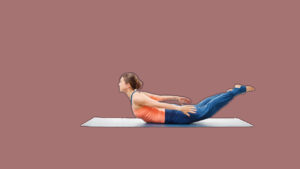 9. Shalabhasana –
Benefits: Parasympathetic nerves are primarily located in the neck and pelvic region. Shalabhasana stimulates the entire autonomic nervous system, especially parasympathetic secretion. This asana strengthens the organs of the lower back and pelvic region. If the condition is not severe, it provides relief from back pain, mild sciatica, and slipped discs. It regulates and balances the functioning of the liver, stomach, intestines, and other abdominal organs, and increases appetite. It tightens the buttock muscles, and the body automatically assumes Vajroli Mudra.
 10.Dhanurasana –
Benefits: This asana improves the functioning of the entire esophagus. It massages the liver, abdominal organs, and muscles. It balances and strengthens the secretions of the pancreas and adrenal glands. It also massages the kidneys and reduces fat deposits in the abdominal region. It improves the functioning of the digestive system, excretory system, and reproductive organs, which helps alleviate stomach and intestinal disorders, indigestion, chronic constipation, and sluggishness of the liver.
This asana is recommended for the treatment of diabetes, incontinence, menstrual irregularities, and other conditions. It generally improves blood circulation. The vertebrae of the spine are realigned, and the ligaments, muscles, and nerves are properly stretched.